Suche
Suche
Alarming, but solvable: climate goals can only be achieved with a construction turnaround
At the KliNa Day 2025 in Vienna it became clear: the climate goals cannot be achieved without a comprehensive construction turnaround. However, experts show: The solution is feasible – if action is taken now.

Alarming, but solvable: climate goals can only be achieved with a construction turnaround
How can the construction industry make its contribution to achieving the climate targets set at national and EU levels? This question was at the center of the fourth KliNa day on the third of September. Under the motto “Just Do It Green”, around 150 experts discussed the strategies, opportunities and obstacles for a climate-neutral future.
Facts: Austria’s climate goals in an international comparison
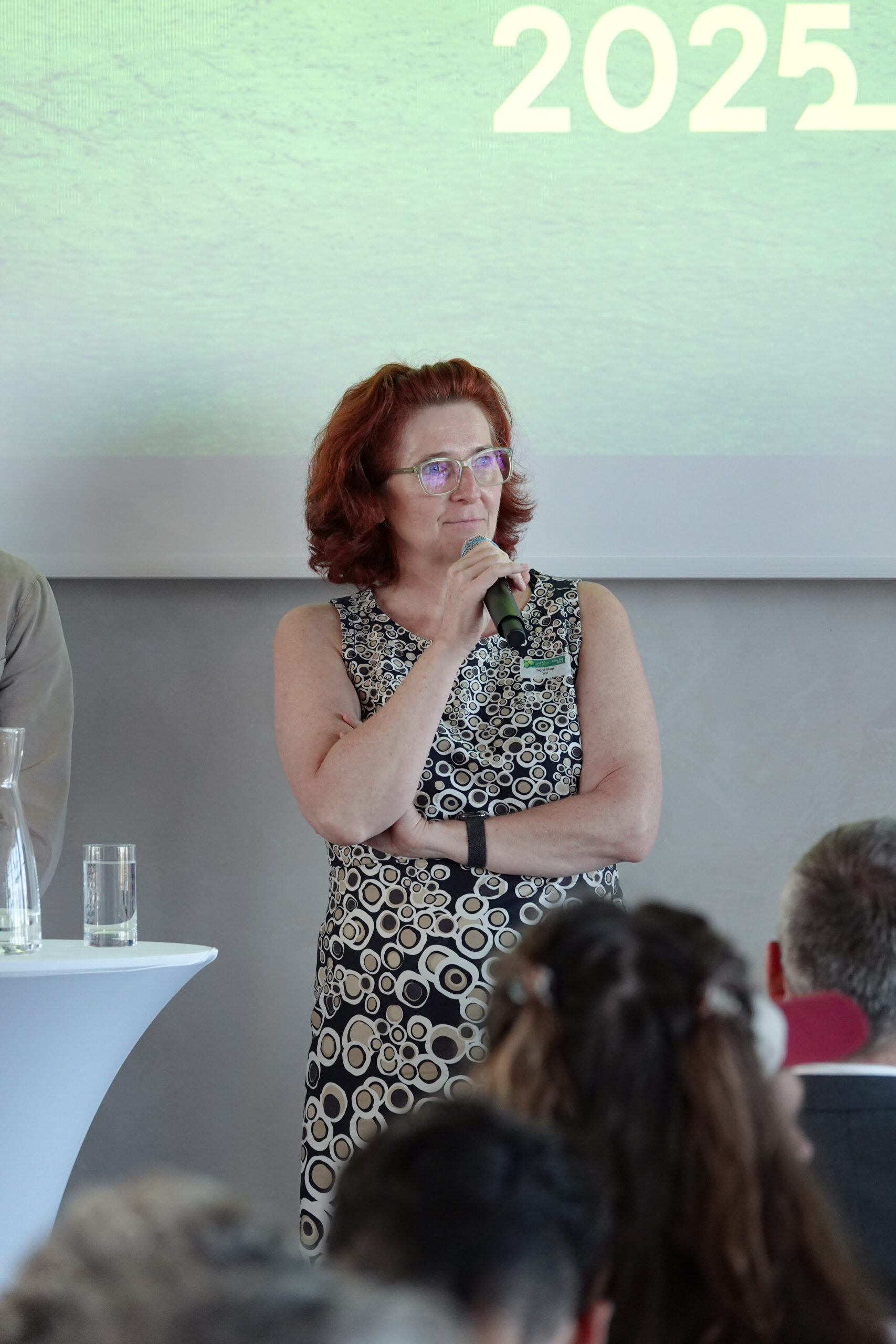
In her keynote speech, Sigrid Stagl, university professor at WU Vienna, used scientific findings to show the connections between economic and ecological opportunities and pointed out possible risks. According to Stagl, in order to achieve the climate target by 2040, Austria's emissions would have to fall by eight percent annually. This is feasible, but it would require investments of 6.4 to 11.2 billion euros per year, which corresponds to 1.3 to 2.4 percent of GDP.
“For Austria to become climate neutral by 2040, emissions must fall by eight percent annually.”Sigrid Stagl
Because one thing is clear: 6 of the 9 planetary boundaries have already been exceeded, with serious consequences for all areas of life. And anyone who thinks climate protection and sustainability is too expensive is wrong. In the long term, climate protection and sustainability pay off.
What is failing?
But where should the money for these investments come from? The Scientist of the Year 2024 also has a solution ready for this: Stagl pointed out potential savings of around five billion euros through the abolition of climate-counterproductive subsidies. Additional sources of income could be generated through a financial transaction or stock exchange tax of around one to 4.5 billion euros, a wealth tax of four billion euros or an inheritance tax of one billion euros.
“Climate protection will only succeed if we not only make new things greener, but also stop doing the wrong thing.”Sigrid Stagl
Why is it failing in Austria? Stagl cited Denmark as a role model, where a whole-of-government approach anchors climate protection in all departments. Austria has been a latecomer for a long time, but has achieved an adequate level of ambition with the 2040 goal, which we now need to work towards.
Innovations in construction: from recycling to digitalization
Impressive practical examples show how Climate protection in construction and what it can actually look like in industry:
Resource repatriation
Johannes Czeczil from Balsa reported on the renovation of the aluminum slag dump in Lower Austria. According to Czeczil, the primary extraction of aluminum is extremely energy-intensive. On the other hand, recycling is a factor of 1:10 less energy-intensive than new production. With balsa, eleven tons of CO₂ are saved per ton of granules. According to the company, by the end of the project the savings will add up to around four per thousand of Austria's CO₂ emissions.
Existing before new building
Experts warned against carrying out renovations in a schematic manner. "A 30-year-old building can be so structurally intact that interventions make little sense ecologically and economically. We need individual assessments, otherwise the renovation will miss the mark," is a summary from the practice.
Planning ahead
Caroline Palfy from Orbyz emphasized on the KliNa 2025 stage that the construction industry itself is responsible for ensuring that buildings will still function in 50, 100 or 200 years. Palfy sees the fact that gray water use is not planned as standard today, even though it will be necessary in 20 years, as a “missed opportunity”.
Digitalization as the key
Many experts agreed: digitalization is a prerequisite for sustainable construction. A well-maintained BIM model forms the basis for future generations. Medical officer Michael Jungwirth, on the other hand, pointed out possible risks: The quality of the documents received from medical officers and experts has not always increased due to the increased use of AI.
Shared responsibility in construction
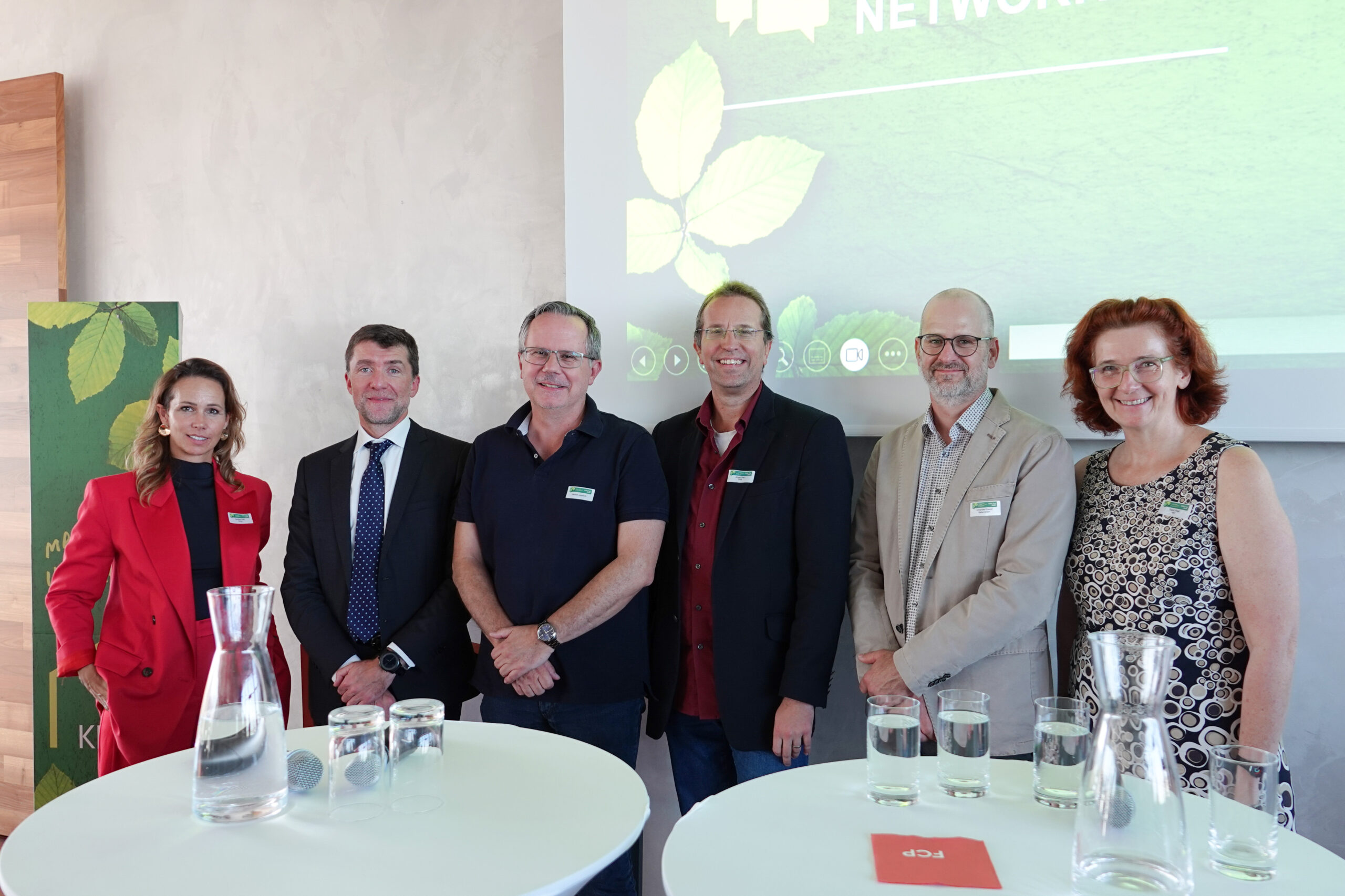
In the final panel discussion of the certified ÖkoEvent Plus, everyone agreed: transformation can only succeed if ecological, social and economic aspects are considered together.
“We must have the courage to consistently apply existing solutions – and at the same time resolutely break new ground.”