Suche
Suche
The price of hesitation: planning solar energy correctly
Anyone who plans solar technology too late not only risks expensive mistakes, but also wastes valuable energy potential - and must expect limitations in design and efficiency.

The price of hesitation: planning solar energy correctly
With the increasing demand for energy efficient homes and the integration of renewable energy, architects worldwide are increasingly expected to not limit themselves to designing beautiful buildings. One current study shows that 45 percent of all new architectural projects worldwide now focus on sustainability. Axel Jetter, managing director of the solar roof manufacturer SunStyle, explains that solar energy can only deliver its full value when it is part of the design process.
Later, more expensive, worse?
Anyone who underestimates the effects of late integration can even impair the energy potential. In some cases, widening the roof by 10 to 20 centimeters could allow for an additional row of solar panels. It's these small decisions made early on that can make the difference between a functional and an optimized solar system.
Integration in the planning phase not only saves time and money, but also provides security for everyone involved. It allows for smarter planning in terms of structural loads, electrical designs and aesthetic consistency while avoiding costly retrofits that may be rejected due to local building codes.
Collaboration from the start
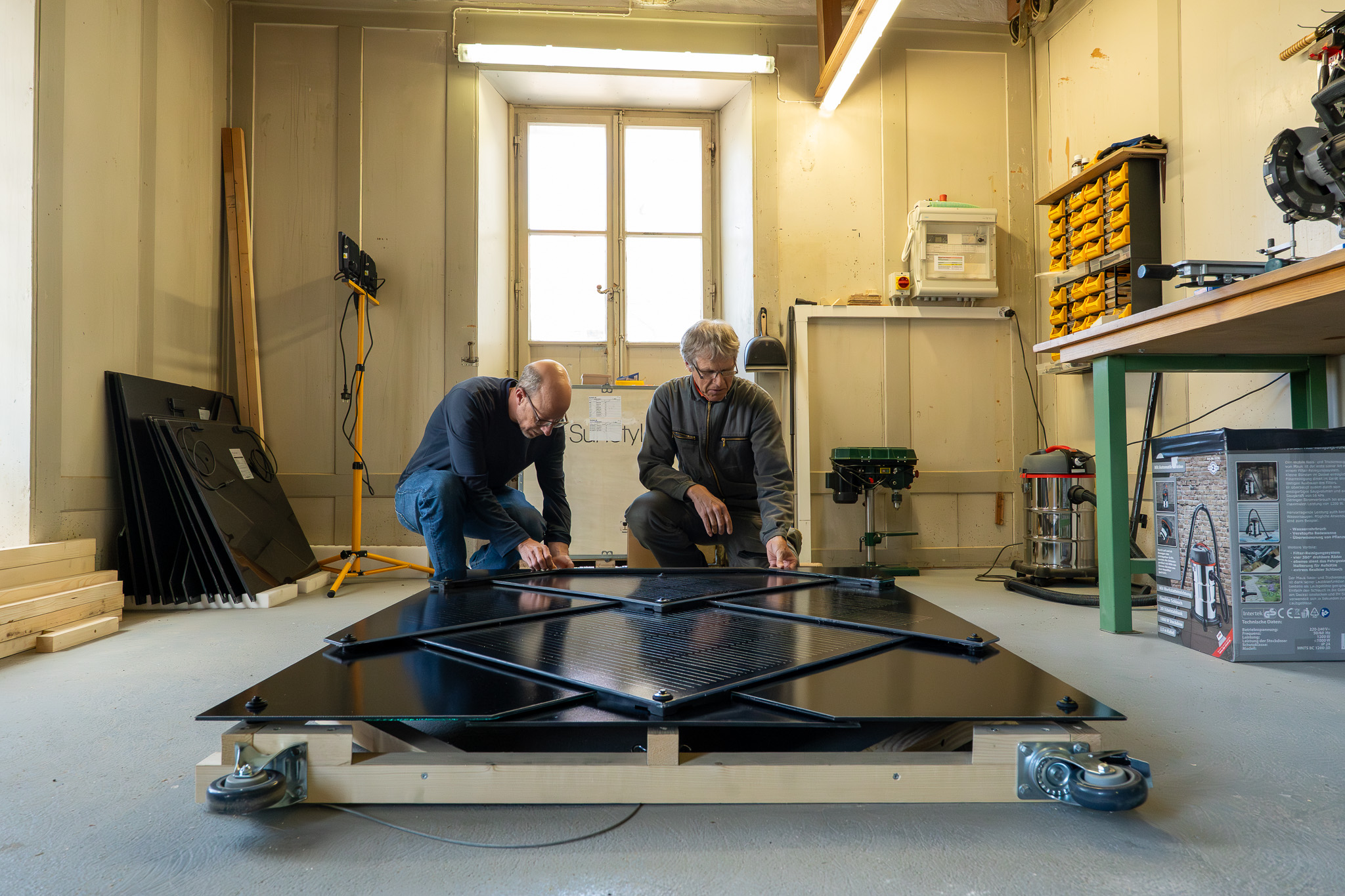
By integrating solar energy early, everyone is on the same page. When architects have a clear understanding of their solar technology provider's dimensions, requirements and options, they can plan with confidence and avoid unpleasant surprises.
Close collaboration with construction companies and solar manufacturers opens the door to creative problem solutions. If a design contains unusual geometries or strict specifications, early involvement of solar experts can proactively overcome potential hurdles.
Harmony in solar design
One difference between building-integrated photovoltaic systems (BIPV) and traditional PV systems is that there are no compromises in appearance, shape or load. In contrast to screw-on products, the roof itself can become part of the solar system.
Some solar roofs use modular shingles that fit seamlessly into architectural designs. Without restricting artistic freedom, a roof is created that complements the building rather than distracting from it. Flat roofs can also be created using special solar roofs. This gives architects more leeway when designing the roof lines without having to deviate from the original concept
Solar in the best light
In the past, solar panels were considered necessary but unattractive and a nuisance for architects to design. However, environmentally conscious customers in today's market environment appreciate the aesthetic value of solar systems. With a choice of colors and anti-glare options, solar panels are no longer something to hide. Today, design-focused BIPVs are something to be proud of.
Conclusion
When solar energy is considered at the design stage, it not only improves workflow but can also improve the appearance of the project. This allows architects to meet client demand for renewable energy without having to compromise on vision or construction quality.