Suche
Suche
Pumps: Integrated intelligence
Digitalization and networking are giving the pump market new impetus, with greater efficiency, better maintenance options and lower operating costs being the key advantages.

Pumps: Integrated intelligence
Pumps have become a fundamental foundation of human civilization since the first mechanical pump designs, enabling water supply in cities with millions of inhabitants, providing basic sanitation in the most remote areas and ensuring comfort in modern buildings. In building technology, they form the invisible heart of every heating, ventilation and sanitary system.
Today, pumps face a wide variety of challenges; they not only have to function reliably, but also work highly efficiently, be intelligently networked and contribute to the sustainable design of our living spaces. Little wonder, then, that the domestic pump market is continually developing, driven by stricter energy efficiency regulations, advancing digitalization and changing requirements in existing buildings.
Manufacturers such as Grundfos, Jung Pumpen, Kessel, SFA Sanibroy and Wilo have a significant influence on this technological development. This can be seen, for example, in the integration of intelligent technologies, the networking of pump systems and the increasing importance of energy efficiency. At the same time, different project requirements – from new buildings to demanding renovation projects – present the industry with a variety of technical challenges.
Significantly reduce power consumption
An important driver of the pump market is the renovation of older buildings. In this segment in particular, there is enormous potential for savings by replacing outdated, uncontrolled pumps. For example, studies show that replacing an old heating circulation pump with a modern, high-efficiency pump can reduce electricity consumption by up to 80 percent. Investments in modern pump technology often pay for themselves after just a few years.
With the Wilo Stratos series, Wilo Austria offers intelligent control and extensive communication options. The pumps can be integrated into building management systems via various protocols such as BACnet, Modbus or KNX, thus providing an optimal basis for the digitalization of building technology.
Grundfos also relies on digital services. The Grundfos GO Remote solution, for example, enables installers and operators to remotely monitor and maintain pumps. This not only reduces downtime, but also optimizes energy consumption through continuous monitoring of operating parameters.
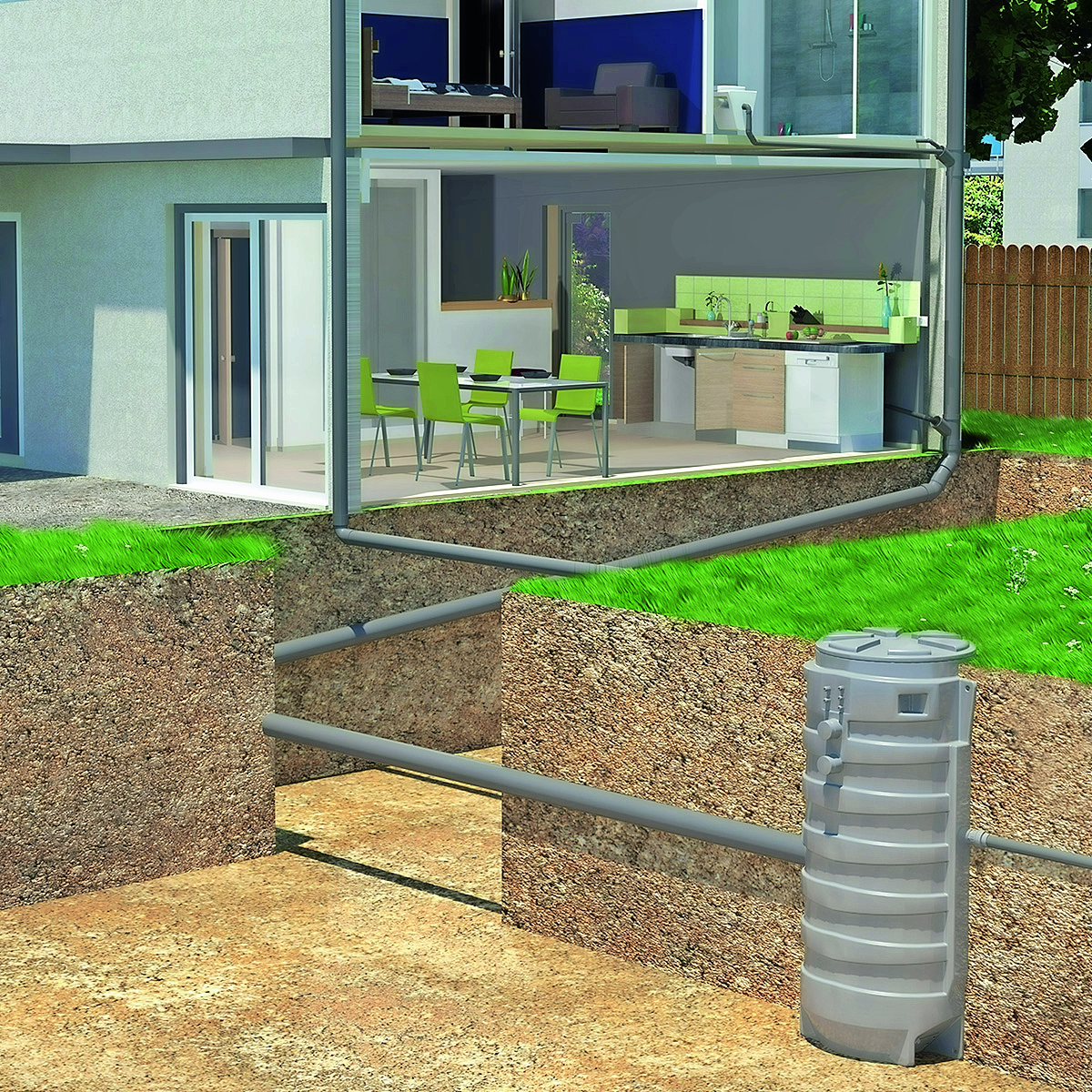
In the wastewater technology segment, Jung Pumpen once again relies on innovative materials and drive concepts. The latest submersible pumps with energy-efficient EC motors show significantly improved efficiency and longer maintenance intervals. Kessel is increasingly focusing on compact systems for confined spaces, while SFA Sanibroy is setting new standards for installation in hard-to-reach areas with its lifting systems.
Help with product selection
However, the increasingly complex pump technology requires comprehensive support for planners, installers and service providers. Accordingly, all leading manufacturers have significantly expanded their consulting and service offerings in recent years. For example, Wilo offers comprehensive planning assistance with the Wilo-Select online tool. The system enables quick and precise selection of the optimal pump based on the specific system data. In addition, performance curves can be visualized, energy consumption analyzes can be created and technical data sheets can be generated.
Grundfos, in turn, relies on a combination of digital tools and personal advice. The Grundfos Product Center app gives installers direct access to product information, spare parts lists and installation instructions. At the same time, a comprehensive network of application engineers is available to provide on-site support with complex projects.
Jung Pumpen attaches particular importance to practical training. The company regularly offers seminars on current topics and innovative pump technologies. Kessel has an innovative approach with the digital planning tool “Smart Select”. This not only enables the selection of pumps, but also the complete design of drainage systems including pipe calculations and hydraulic optimization. The software automatically takes into account all relevant standards and regulations.
Wireless communication
Intelligent control systems and Internet of Things (IoT) functions are currently also important drivers of pump technology. Little wonder, pumps today are much more than simple conveying units - they are intelligent system components that actively contribute to optimizing the entire system technology.
For example, Wilo's “Stratos Maxo” series solutions offer an integrated Bluetooth interface and can be configured and monitored via a wireless connection. Grundfos also relies on extensive networking options with the “Magna3” series. The pumps can be integrated into building management systems via various communication protocols. The “FlowAdapt” operating mode ensures central monitoring and control. The integrated differential pressure control with automatic night reduction further reduces energy consumption.
Jung Pumpen also enables its customers to fully remotely monitor wastewater pumps. As part of this, critical parameters such as operating hours, engine temperature and vibration values are continuously transmitted. Predictive maintenance algorithms can detect potential failures at an early stage and optimize maintenance intervals.
In conversation with Daniel Schneider, SFA Sanibroy
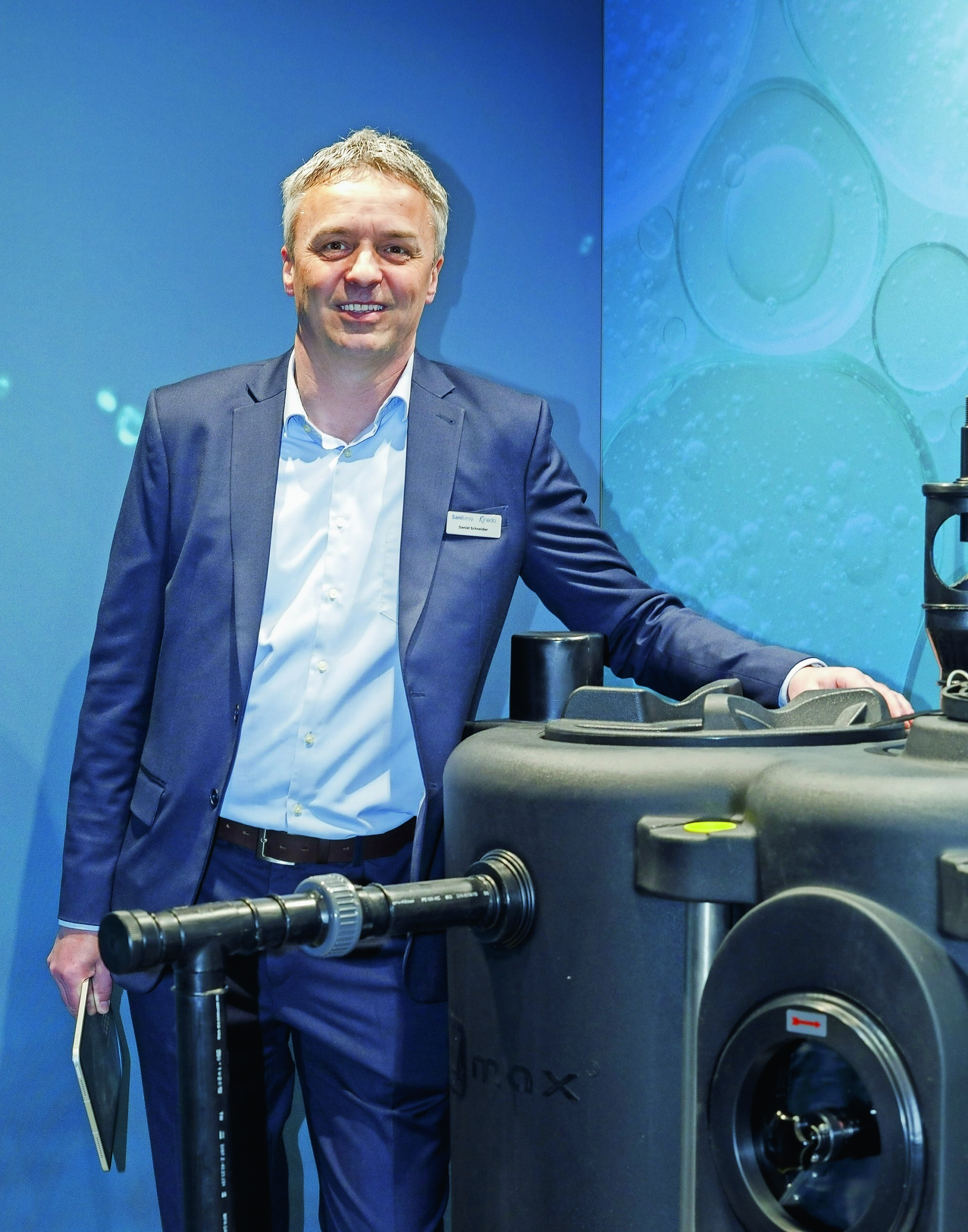
Digital systems and networked options are currently massively driving pump technology, higher efficiency and options such as predictive maintenance are increasingly arousing customer interest. Building Installation therefore spoke to Daniel Schneider, product manager for the lifting systems and pumps area at SFA Sanibroy since March 2021.
Building installation: What importance do intelligent control systems and IoT functions have for your products?
Daniel Schneider:Intelligent control technology is a central component of modern pump systems. It enables efficient operation, detects faults early and reduces maintenance costs. SFA Sanibroy relies on highly automated, mechanical-digital control units that have proven themselves many times over in daily use. Functions such as integration into building and home automation systems as well as app-based monitoring via smartphone are becoming increasingly important for both users and installers. These systems are becoming the standard in building and supply technology. SFA Sanibroy therefore invests specifically in the further development and functional expansion of its control components.
What role does digitalization play in modern pump solutions?
Digital technologies are an integral part of all SFA Sanibroy product areas. They enable intelligent controls, precise sensors and automated protection functions. For example, the Sanicubic lifting station and the Sanifos pumping station have digital controls to regulate start, stop and operational monitoring. Integrated safety functions such as acoustic and visual alarms in the event of backflow as well as protection mechanisms in the event of dry running and temperature overload ensure long-term safe operation.
How do the requirements differ for renovation projects compared to new buildings?
Renovation projects have special requirements: space is often limited, pipe routes are specified, static specifications must be observed, and interventions in the building structure are usually not possible. Installation is often carried out below the backflow level. For such conditions, SFA Sanibroy offers compact, ready-to-connect systems that can be installed quickly and cleanly.